BUILDING PROPERTY COVERAGE
Building property coverage secures the physical structure of your home, including the foundation, electrical and plumbing systems, and built-in appliances.
WHY PAY MORE?
Building Property 

Contents 

Flood-Related Loss of Use

Commercial Flood

Other
















Competitive Rates

Industry Expertise

With or Without a License

With Good Credit, Bad Credit, or No Credit
Online/Phone/In-Person Services

Multiple Convenient Locations Near You


Building property coverage secures the physical structure of your home, including the foundation, electrical and plumbing systems, and built-in appliances.

Protects personal belongings such as furniture, electronics, and clothing against flood damage and covers repair or replacement costs.

Pays living expenses when flood damage makes your home uninhabitable, covering hotel stays and other housing costs during the repairs.

Protects systems and equipment in your basement, such as HVAC systems and electrical panels, and helps protect infrastructure from flood damage.

Pays to repair or replace installed home appliances damaged by flooding, including refrigerators, washers, and dryers.

Covers personal belongings such as furniture, electronics, and other items, ensuring repair or replacement after a flood.

Substitutes flood damage to your home’s foundation and pays for the repairs needed to restore its structural stability, strength, and safety.

Covers flood damage within your property’s crawlspace, including the plumbing, wiring, and other utility systems located in that area.

Covers damage to your home’s entire electrical system, including the wiring, outlets, switches, and panels, and pays for costly repairs.

Covers flood damage to your home’s full plumbing system and pays to repair pipes, fixtures, drains, and related water infrastructure.

Review various insurance options for flood protection, helping safeguard your property against water damage and costly repair expenses.

Reach out to our property insurance team for personalized coverage guidance and answers based on your property’s needs.

Evaluate coverage details, policy limits, and available rates to confidently choose protection that supports your property and financial goals.
Georgia, known for its rich history and diverse landscapes, offers everything from scenic mountains to coastal plains. The state experiences a humid subtropical climate, bringing warm summers and mild winters. Georgia is a mix of modern progress and Southern charm, with cities and historic sites like Savannah.
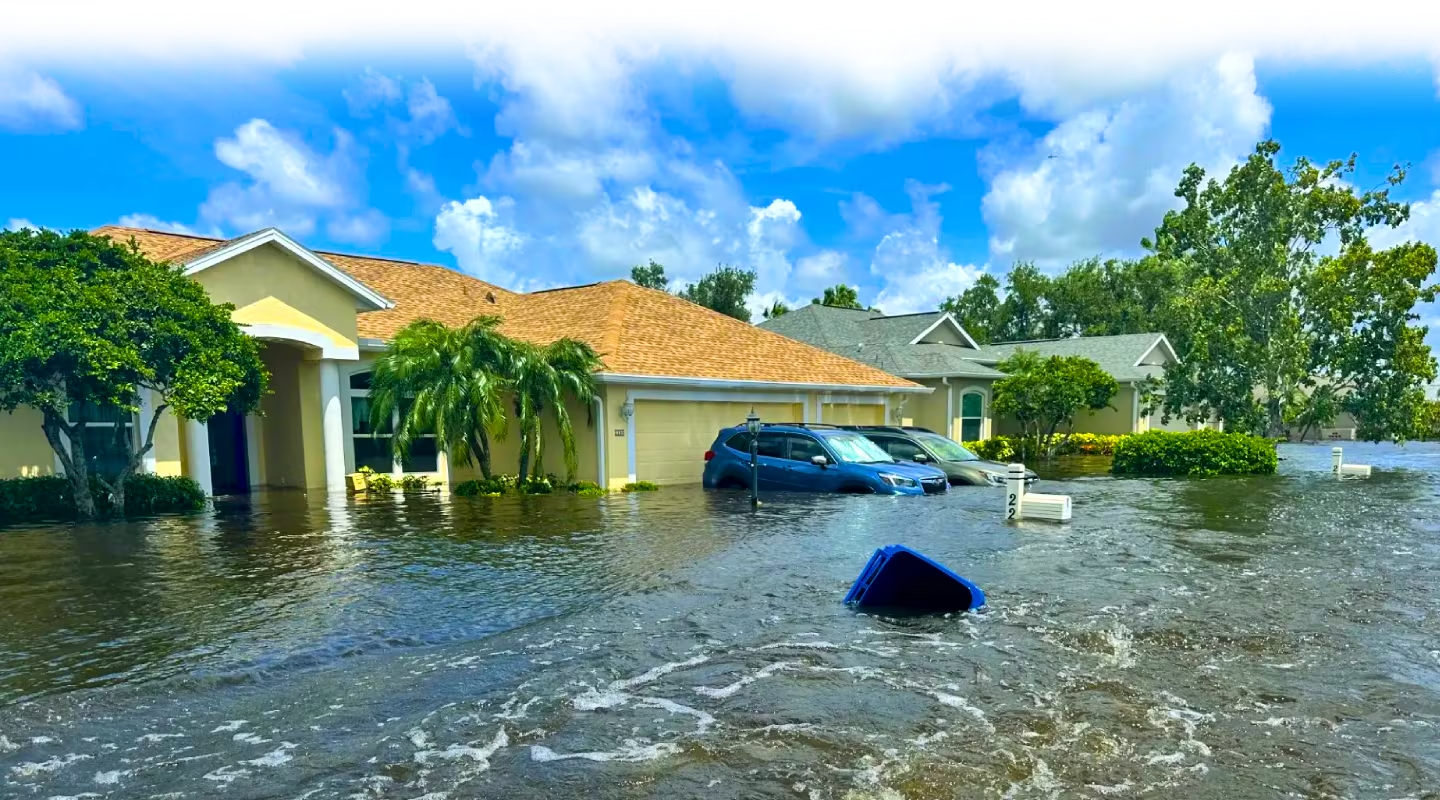
Flooding is a major concern in Georgia, especially in coastal and low-lying areas. Heavy rainfall, hurricanes, and overflowing rivers increase flood risks. While standard homeowners’ insurance does not cover flood damage, many residents rely on flood insurance to protect their properties from costly repairs.
CINCO offers affordable, reliable coverage tailored to your needs. Whether you live near the coast or in a flood-prone zone, we help you stay prepared. With easy policy options and excellent customer service, securing flood insurance has never been simpler, ensuring peace of mind for Georgia homeowners.
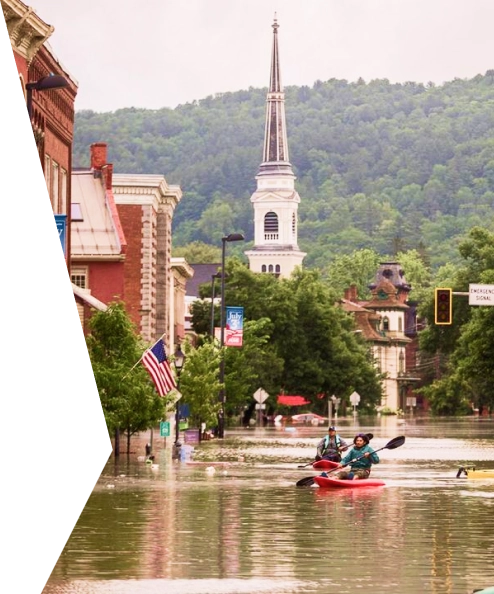
The cost of flood insurance depends on various factors that influence risk levels and coverage needs for property owners and businesses in Georgia. Insurers assess multiple details to calculate premiums, ensuring that policies align with the likelihood of flooding in a given area. Understanding what influences these rates can help businesses and property owners make informed decisions when selecting the best coverage options. Here are the main factors that impact flood insurance rates in the state:

Location

Elevation

Proximity to Water Sources

Flood Zone Designation

Property Value

Property Type

Building Age

Construction Materials

Flood History

Deductible Amount

Coverage Amount

Claim History

Building Foundation

Basement or Crawlspace

Local Flood Control Measures
Flooding is an unpredictable risk in Georgia, affecting homes and businesses across the state. While some areas face higher flood risks, heavy rains and storms can cause unexpected water damage anywhere. Without proper insurance coverage, property owners may struggle with costly repairs and financial setbacks. Flood insurance provides essential protection, ensuring stability and peace of mind in the face of rising waters. Here is a list of individuals who require flood Insurance in the state:

Homeowners in high-risk flood zones designated by FEMA.
Property owners with mortgages in federally-backed or regulated areas.
Landlords renting property in flood-prone areas to protect rental units.
Business owners in areas at risk of flooding to cover property and inventory.
Homeowners with FEMA-designated floodplain properties.
Owners of properties near bodies of water such as rivers, lakes, or coastal areas.
Buyers purchasing homes in flood-prone regions.
Commercial property owners in flood-prone zones to protect business operations.
Government or public property in flood-prone areas requiring flood coverage.
Developers or builders constructing new properties in flood zones.
Flood insurance protects businesses from financial losses caused by heavy rains, storm surges, and flash floods. Since standard commercial property insurance does not cover flood-related damage, business owners must purchase a separate policy. Coverage is available through private insurers, helping businesses recover from damage, structural losses, and ruined inventory after a flood event.
Policies vary in coverage limits, deductibles, and waiting periods, so selecting the right plan is crucial. NFIP policies typically require a 30-day waiting period before coverage takes effect, making early enrollment essential. Private insurers may offer customized policies with higher limits and shorter waiting times, providing more flexibility for business owners in flood-prone areas.
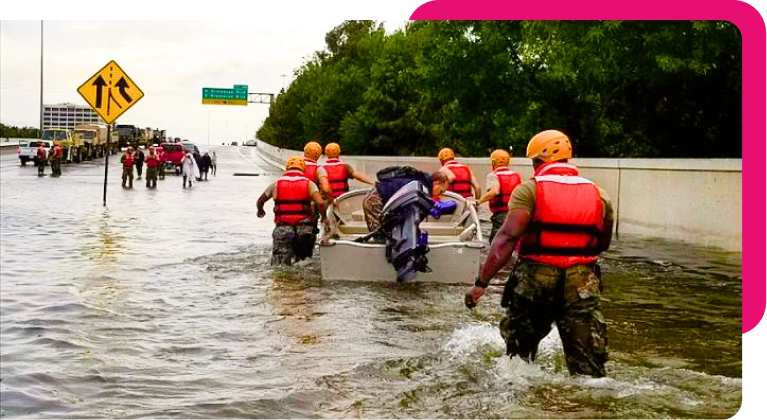
Flood insurance is not legally required in Georgia, but some mortgage lenders mandate it until the home loan is paid off. Even if you own your property outright, coverage can provide crucial financial protection, especially in flood-prone areas. The amount of coverage you need depends on factors like property value, location, and potential flood risks. Standard policies cover building structures and contents, but higher-value properties may require additional coverage.
Assessing your flood zone, repair costs, and financial risk helps determine the right amount. While the National Flood Insurance Program (NFIP) sets limits, private insurers may offer customized policies. Securing adequate coverage ensures a quick financial recovery.
Flood insurance is essential for protecting homes and businesses from unexpected water damage in Georgia. While coverage can be a valuable safeguard, the cost may vary based on several factors, including location, risk level, and policy details. Fortunately, there are opportunities to reduce expenses through various cost-saving options. Homeowners and businesses can explore ways to lower their premiums while maintaining adequate protection. Here are the discounts you can take advantage of:

Preferred Risk Policy Discount

Multi-Policy Discount

Claims-Free Discount

Elevation Discount

Mitigation Discount

New Construction Discount

Community Rating System (CRS) Discount

Paid-in-Full Discount

Early Enrollment Discount

Building Code Compliance Discount
The average flood insurance premium in Georgia ranges from $500 to $1,000 annually, making it a relatively affordable safeguard against costly flood damage. Rates vary based on factors like location, property value, risk, and coverage limits. Businesses in high-risk areas may pay more, while those in lower-risk zones can secure lower premiums.
Policies through the National Flood Insurance Program have standardized rates, while private insurers offer customized pricing. Elevation, building materials, and mitigation efforts such as flood barriers can also affect costs. Since flood damage can result in thousands in repair expenses, securing insurance is a wise financial decision. Comparing providers and understanding risk helps find the right coverage.
Getting an accurate flood insurance quote requires key details about your property and its flood risk. Insurers assess factors such as location, elevation, flood zone classification, and building details to determine premiums. Providing precise information on your home's foundation, construction type, and prior flood history helps ensure an accurate estimate. Moreover, coverage limits, deductibles, and additional coverage impact pricing. Here are the requirements for obtaining a quote:


Flood insurance rates vary across key Georgia cities based on factors like flood zone classification, elevation, and historical claims. Cities near coastal or high-risk flood areas, such as Savannah, may have higher premiums, while inland locations like Atlanta or Athens could see lower costs. Understanding these variations helps homeowners and businesses make informed coverage decisions. Based on the information below, here's a look at average monthly insurance rates across major cities in the state:

Note: These rates are estimates and can vary based on individual circumstances. For accurate pricing, it's recommended that you obtain personalized quotes.
Keep your home protected against flooding with CINCO Auto Insurance. Getting started is easy by simply submitting the online form. Once you do, one of our Georgia property insurance agents will reach out to review the flood insurance options best suited to your property, answer your questions, and explain the discounts you may qualify for.
If completing the form is not for you, call, email, or visit us instead. Get your free flood insurance quote today and protect your property from the flooding Georgia weather can bring.
Building Property
Contents
Flood-Related Loss of Use
Commercial Flood
Other
Georgia has faced severe flooding events in recent years, causing widespread damage to homes, businesses, and infrastructure. These disasters, from flash floods to hurricanes, have affected thousands of people, resulting in financial losses and federal disaster declarations. The rising frequency of these events highlights the need for flood insurance as a critical safeguard against unpredictable weather. Here are key statistics that emphasize why it's essential to have flood insurance in Georgia:
01
Between 1980 and 2024, Georgia experienced 134 weather and climate disaster events, each causing over $1 billion in damage. (National Centers for Environmental Information)
02
Among the disasters between 1980 and 2024, 17 were drought events, 4 were flooding events, and 27 were tropical cyclone events, all contributing to substantial flood-related damages. (National Centers for Environmental Information)
03
Georgia typically receives moderate to heavy rainfall, ranging from 45 to 75 inches per year, increasing flood risk across the state. (Georgia Flood Insurance)
04
In August 2023, Hurricane Idalia prompted a flash flood emergency in the Valdosta area, resulting in significant rainfall, road closures, and power outages affecting over 190,000 customers in Georgia. (Wikipedia)
05
With over 100 dams across the state, aging infrastructure poses risks of failure, potentially leading to catastrophic flooding events. (Georgia Flood Insurance)
06
Flash floods in Georgia can develop rapidly, often within minutes, due to intense storms dropping large amounts of rain in short periods. (Georgia Emergency Management and Homeland Security Agency.)
07
Projected climate changes are expected to increase the frequency and severity of natural disasters in Georgia, including heavy precipitation and floods. (Climate Change Knowledge Portal)
08
Hurricane Helene, which made landfall on September 24, brought unprecedented rainfall, particularly affecting Atlanta and surrounding areas. (Wikipedia)
09
Beginning on June 16, a series of storms and heavy rainfall led to flash floods impacting 15 municipalities across six regions in Georgia, causing extensive damage to agriculture, residential properties, and infrastructure. (ReliefWeb)
10
Over the past five years, Georgia has documented more than 715 flood reports, resulting in $10.9 million in damages, underscoring the state's vulnerability to flooding. (National Weather Service)
Note: These statistics were accurate at the time of publication and may change over time. Please refer to official sources for the most current data.

With over 7,000+ 5 star Google reviews and counting!

Vanessa Echeverry
I love Karina’s customer service. She is amazing—super friendly and super quick at getting you your insurance and on your way! She makes the entire process easy and is very helpful. Thank you, Karina!

Google Review
Walter P
I referred a few people here because of the exceptional job my rep provided. I call her my rep because she’s the only one I’ll go to from now on, and she’s the one I’ll refer my family to. I appreciate Paula for going above and beyond with me and the referrals I provided. All of this is due to the focus she placed on my situation. I will continue referring people to Paula for insurance solutions. Thank you again!
Google Review
Joyce Evans
Thank you, Javier, for the professional customer service. I am a senior citizen and don’t always get things right the first time. Thank you for your patience. I’m glad to have CINCO Insurance close to me in Garland on Northwest Highway.
Google Review
Doris Edmond
I spoke with Veronica, an agent with CINCO. She was the BEST! I was so stressed because I had been looking for coverage. Veronica took away all my stress. She worked with me tirelessly until she found auto coverage I could afford. I highly recommend her. She's professional, kind, courteous, and—most of all—patient. The definition of good customer service is VERONICA—my agent for life!
Google Review
Alva Ayuso
Valeria was very patient and courteous with us, answered all our questions, and helped us with all the paperwork! We will definitely recommend CINCO Auto Insurance to all our friends. Very satisfied!
Google Review
Rosalinda Alvarez
THANK YOU SO MUCH, AIME!! She offers outstanding customer service, going above and beyond to ensure a smooth and satisfying experience. Her professionalism, responsiveness, and attention to detail make every interaction pleasant and efficient. I highly recommend Aime 100% for her dedication to excellence and commitment to customer satisfaction! My family and I have found a great insurance company—all thanks to Aime.
Google Review
Alexus Monique
I’m currently looking for car insurance, and I’m so glad I decided to try this place out. The insurance agent Paula was very knowledgeable and sweet. She answered all my questions and made sure I didn’t leave with any doubts! I’m highly satisfied with my experience here and will be recommending this place. 😊
Google Review
Zouquayla Butler
I recently joined CINCO, and getting started was easy breezy. Javier is a 10/10—highly recommend! Great customer service, like we were old friends catching up while taking care of business. Thanks again, Javier. Awesome!
Google Review
Jose Santos
The service is excellent, and they help you with everything. You just have to be available, and they’ll do the work for you. I loved the work my agent Yolanda did. I recommend her—just ask for her!
Google Review
Rebecca Esquivel
Javier was awesome to talk to. He explained everything in detail and even repeated himself multiple times. Very, very patient with me—quick and ready to go! I was struggling to get a good quote, but he got me in and out. Thank you, Javier. 10/10 recommend!
Google Review